What Digital Marketers Can Learn From Pop Mart’s Labubu Craze
Blog
Jan 11, 2026
How a weird little toy became a $1.8B marketing masterclass
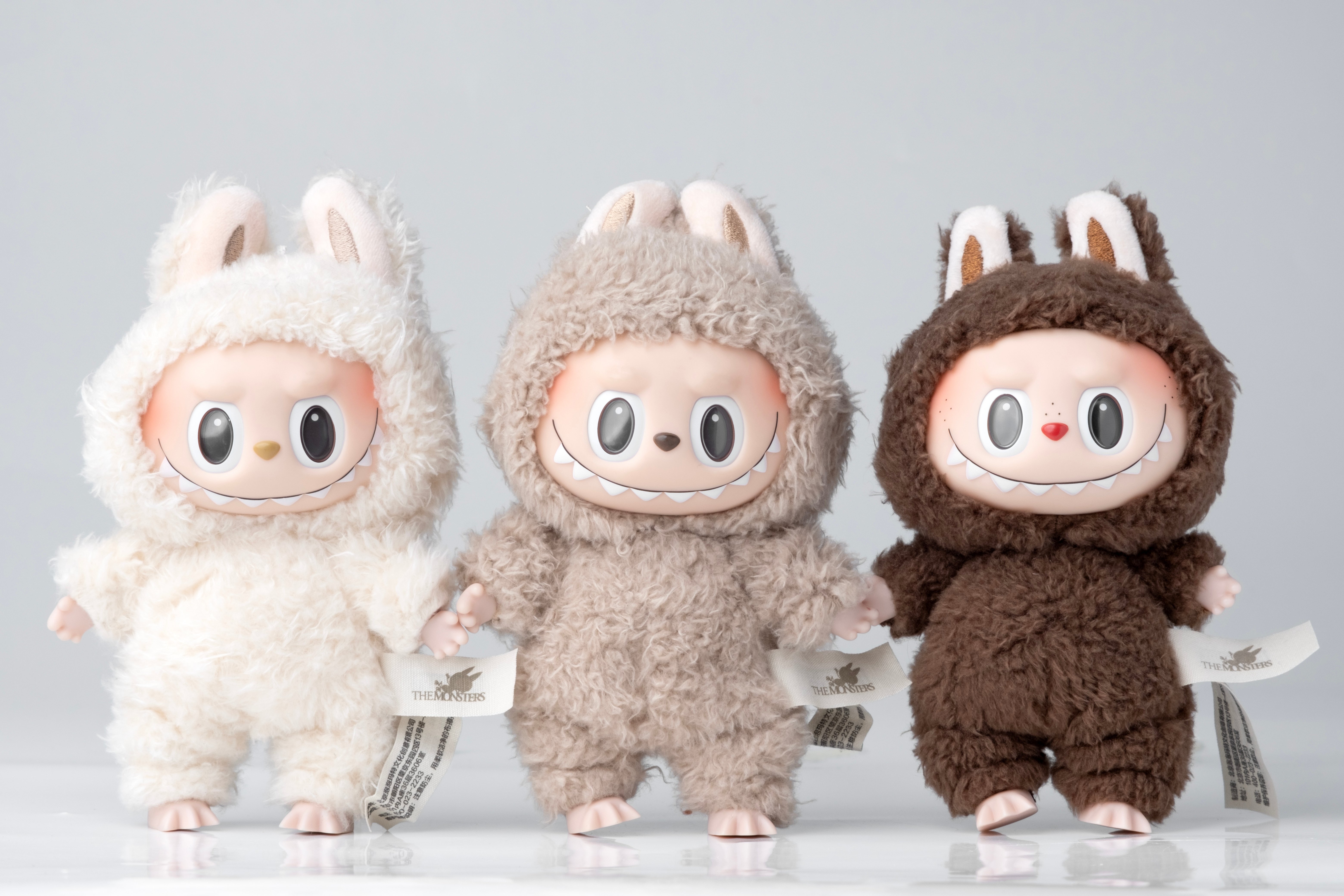
You’ve probably seen it by now: the slightly unsettling, oddly adorable plush figure with huge eyes and a toothy grin. Maybe you saw it getting unboxed by a creator on TikTok. Maybe it was hanging off the designer bag of your favorite celebrity. Or maybe you scrolled past one of the 1.3 million videos tagged #labubu and thought, “Wait, what is this thing?”
At first glance, Labubu looks like the kind of toy you’d give to your pet to chew. But then you see it again. And again. Suddenly, it’s everywhere. Celebrities have them. Creators are filming skits, unboxings, and dressing theirs up to take to the mall. Curiosity kicks in. You start searching where to get one and find out that the one you want sold out in five minutes. Now you’re surfing resale sites, watching prices climb. And somehow, a $12 toy has turned into a $300 obsession.
So how did this plush goblin turn into a billion-dollar brand? Let’s break down the mechanics and how Pop Mart used a system of touchpoints, triggers, and tactics to propel Labubu’s rise to cult status.
The Journey: From “What is this?” to “I need one.”
Originally released in 2015 by artist Kasing Lung, Labubu started as a niche trend in small art toy circles. It wasn’t until after 2019 that Pop Mart started laying the groundwork for international success. The real explosion hit in April 2024 when BLACKPINK’s Lisa posted an Instagram Story of her Labubu from the Monsters’ Fall in Wild series. That clip alone drove a 30% spike in Pop Mart’s Southeast Asia sales that week.
Let’s break down the Labubu digital funnel:
Top of Funnel: You see a Labubu video. A celebrity’s wearing one. Someone’s screaming over an unboxing. It's memorable for its weirdness.
Mid-Funnel Curiosity: You start seeing it more. Now you're intrigued. Maybe you even start to want one just to see what all the fuss is about.
Bottom Funnel Conversion: You try to buy one but the drop sells out. Now you’re invested. You search resale sites and follow the release calendar. You’re engaged and ready to convert.
How Pop Mart Engineered Obsession
1. Scarcity Marketing That Feels Like a Game
Labubu drops are limited. The thrill is real. This isn’t “buy before midnight.” This is “get in line now or pay triple on StockX.” When scarcity meets status, obsession follows.
2. The Blind Box as Interactive Format
Pop Mart’s “blind box” model means you buy a Labubu without knowing which one you’ll get. Even online, the mystery is interactive. On Pop Mart’s app, users can virtually “shake” their box or tap to reveal. It’s tactile and drives anticipation before the product even arrives.
3. UGC That Feeds the Algorithm
Fans film spa days for their Labubu. They dress them up. All Pop Mart had to do was give them a memorable product and enough scarcity to give them a reason to share.
4. Influencer Activation That Feels Organic
It started with Lisa from BLACKPINK, then Rihanna. Suddenly, Labubu wasn’t just a toy, it was a flex. The key? None of this content felt sponsored, but instead, like a shared obsession of the digital masses.

(PHOTO: @lalalalisa_m's Instagram)
5. The Labubu Song and the Power of Audio Loops
Don’t underestimate audio in interactive ads. Whether it’s a sound cue or branded jingle, audio is part of how memory works. People don’t just see a Labubu, they hear it.
6. Micro-Moments Become Macro-Culture
Every unboxing and reaction video added up. This "curiosity loop" strategy invites engagement, conversation, and participation.
The Takeaway: Turn Attention Into Interaction
Labubu isn’t just a viral toy, it’s proof that when digital experiences feel like play, people show up. According to Electro IQ:
Pop Mart’s 2024 revenue more than doubled to USD 1.8 billion.
Labubu figurine sales reached USD 956 million by mid-2025.
Labubu content dominates digital with over 1.3 million videos on TikTok.
The “Monsters” series now accounts for 23–25% of total revenue.
Ready to build something your customers can’t stop thinking about?





What Digital Marketers Can Learn From Pop Mart’s Labubu Craze